


Summer conditions can create extra challenges when applying waterproofing membranes.
High substrate temperatures, direct sunlight and changing weather conditions can all affect application, particularly when working with liquid-applied membranes. A few simple checks before you start can help reduce the risk of issues and achieve a better result.
- Watch Your Substrate Temperatures
On a hot day, concrete and metal surfaces can become significantly hotter than the surrounding air, particularly when exposed to direct sunlight.
Before applying a membrane, check the substrate temperature and refer to the product Technical Data Sheet (TDS) for its maximum application temperature.
As a general guide, take extra care when substrate temperatures are approaching or exceeding 35°C.2.
2. Get Your Timing Right
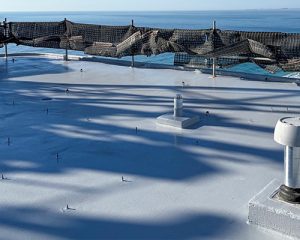
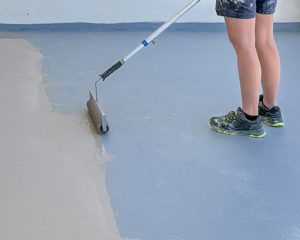
Timing can make a big difference during warmer weather.
Where possible, apply membranes early in the morning or later in the afternoon, when the substrate has cooled down. If the work area is exposed to direct sunlight, providing shade can also help.
Applying a membrane to a hot substrate can cause the product to skin over too quickly, potentially trapping air or moisture and resulting in pinholes or blistering.
3. Prime at the Right Time
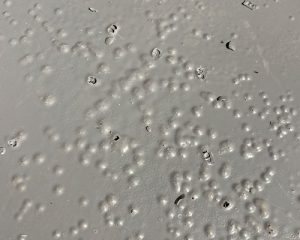
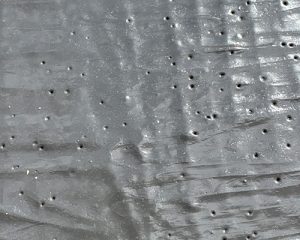
As concrete and screeds heat up, trapped air can be released from the substrate. This is known as outgassing and can contribute to pinholes and bubbling in the membrane.
Where the product requirements allow, priming later in the day as the substrate cools can help reduce the risk of outgassing.
Always ensure the primer is applied and allowed to dry in accordance with the manufacturer’s recommendations before applying the membrane.
4. Check the Product TDS
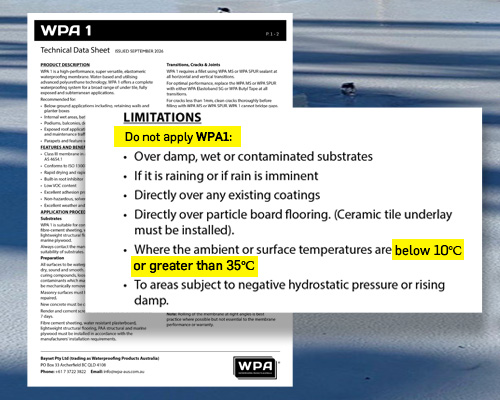
Not all waterproofing products have the same application requirements.
Before starting work, always refer to the relevant Technical Data Sheet (TDS) and pay particular attention to:
- substrate temperature
- moisture levels
- primer requirements
- application conditions
- curing times
5. Keep an Eye on the Weather

Temperature isn’t the only summer condition to watch.
Check the weather forecast before starting. If rain, or the chance of rain, is imminent, reconsider applying primers or membranes and follow the relevant product requirements.
The Key Takeaway
Good preparation and good timing go hand in hand.
During the warmer months, taking the time to check the substrate, weather conditions and product requirements before starting can help reduce issues such as pinholing, bubbling and poor membrane performance.
Always refer to the manufacturer’s current Technical Data Sheet for product-specific application requirements.
Need advice on your next waterproofing project?
Speak with your local Bayset team for product and system recommendations, or find your nearest Bayset branch.


